












If you’re living gluten-free—whether due to celiac disease, gluten sensitivity, or personal choice—reading labels can feel overwhelming fast. Ingredient lists are long, confusing, and often filled with words you’ve never seen before.
The good news: you don’t need to Google every ingredient to shop safely. Once you understand a few key rules and patterns, reading gluten-free labels becomes second nature.
Here’s exactly how to do it.
1. Start with the “Contains” Statement
The fastest way to check for gluten is to scan for the“Contains” statement, usually found directly under the ingredient list.
By law in the United States, manufacturers must clearly disclose the top 9 allergens, including wheat.
What to look for:
-
“Contains: Wheat” → Not gluten-free
-
No wheat listed → Move to the ingredient list for a closer look
Important: Wheat is not the only source of gluten, but this step quickly eliminates obvious no-go products.
2. Scan for Certified Gluten-Free Labels
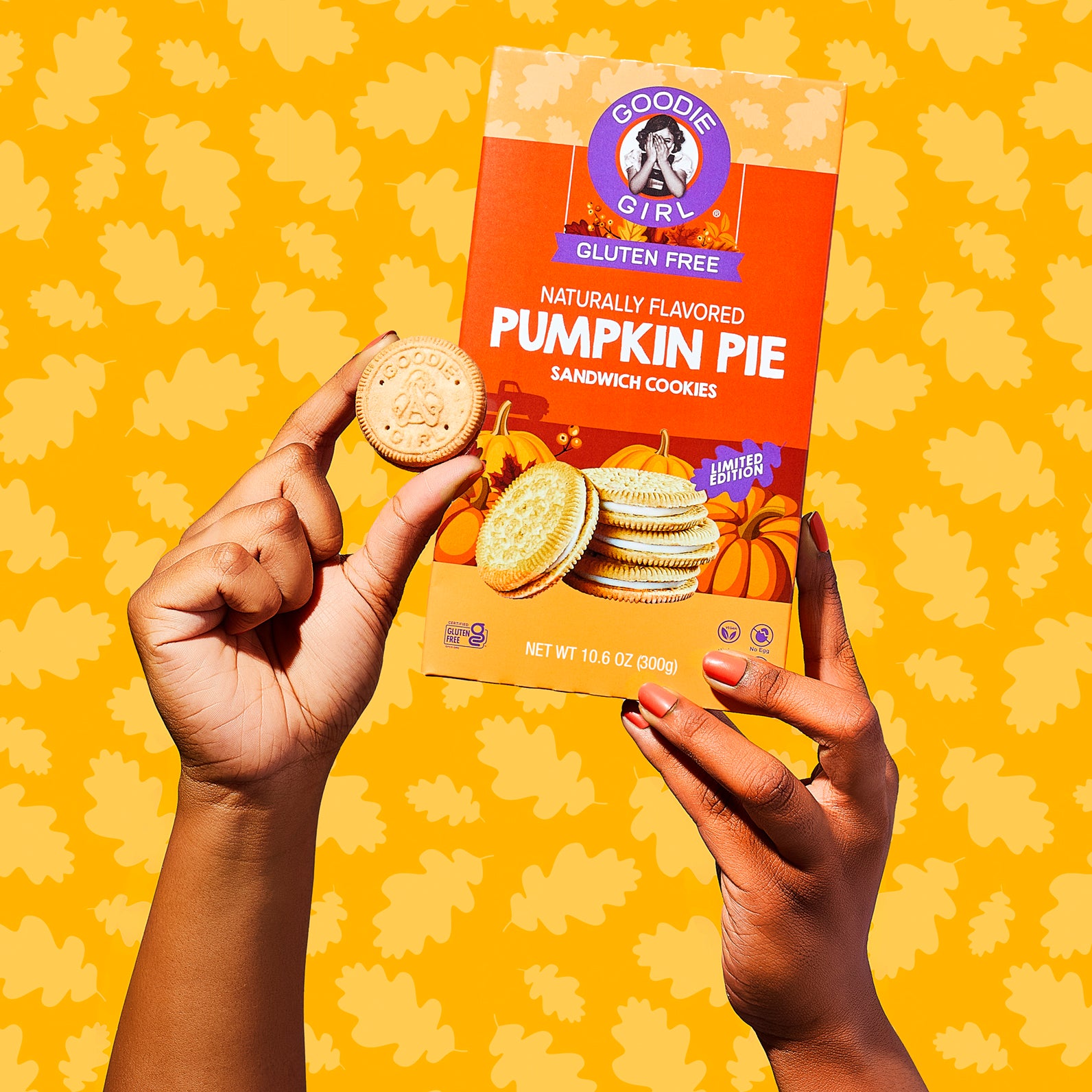
If you want the easiest shortcut, look for a“Certified Gluten-Free” label on the packaging.
This means the product has been tested and meets strict standards (typically less than 20 parts per million of gluten).
Common phrases:
-
“Certified Gluten-Free”
-
“Gluten-Free”
While “gluten-free” claims are regulated, certification adds an extra layer of confidence—especially important for those with celiac disease.
3. Learn the Big Gluten Red Flags
Instead of memorizing dozens of ingredients, focus on the main gluten-containing grains.
Avoid anything that contains:
-
Wheat (including varieties like durum, semolina, spelt, farro)
-
Barley
-
Rye
-
Triticale (a wheat-rye hybrid)
If you see any of these, the product is not gluten-free—no further investigation needed.
4. Watch for Sneaky Ingredients
This is where most confusion happens. Gluten can hide in less obvious ingredients—but you only need to recognize a handful of common culprits.
Keep an eye out for:
-
Malt (usually derived from barley)
-
Brewer’s yeast
-
Wheat starch (unless specifically labeled gluten-free)
-
Soy sauce (unless labeled gluten-free)
-
Natural flavors (rarely an issue, but worth noting if no gluten-free claim is present)
You don’t need to panic over every unfamiliar word—just flag these key terms.
5. Understand “May Contain” Warnings
You’ll often see statements like:
-
“May contain wheat”
-
“Processed in a facility that also processes wheat”
These arecross-contact warnings, not confirmed ingredients.
What this means:
-
For those with celiac disease: best to avoid
-
For gluten sensitivity: depends on your comfort level
These warnings are not regulated the same way as ingredient lists, so use your judgment based on your needs.
6. Don’t Overthink Simple Foods
Whole, single-ingredient foods are naturally gluten-free and don’t require label stress.
Examples:
-
Fruits and vegetables
-
Eggs
-
Milk and plain yogurt
-
Meat, poultry, and fish
-
Rice, potatoes, and beans
If it doesn’t have a long ingredient list, it’s usually safe.
7. Know When You Can Relax
Not every label needs a deep dive.
You can feel confident when:
-
The product is labeled “Certified Gluten-Free”
-
There are no gluten-containing grains in the ingredient list
-
There’s no “Contains: Wheat” statement
With time, you’ll recognize safe brands and products and won’t need to check as closely every time.
8. Build a Go-To List of Safe Staples
One of the easiest ways to simplify your routine is to rely on trusted products you already know are gluten-free.
Keep a mental (or physical) list of:
-
Favorite snacks
-
Pantry staples
-
Baking essentials
This reduces decision fatigue and makes grocery shopping faster.
The Bottom Line
Learning how to read gluten-free labels doesn’t require memorizing hundreds of ingredients. It comes down to a simple system:
-
Check the “Contains” statement
-
Look for gluten-free certification
-
Avoid key gluten grains
-
Watch for a few hidden ingredients
-
Use judgment with cross-contact warnings
Once you get the hang of it, you’ll spend less time second-guessing and more time confidently filling your cart.
And the best part: no more standing in the aisle Googling every ingredient.